Evaluating Elephant Christmas PNG for Embroidery Projects
When I am browsing through digital assets for my current batch of holiday orders, I am rarely looking for just another cute image. As a designer who turns pixels into thread, I am looking for structure, clarity, and emotional resonance that survives the translation from screen to fabric. Recently, I came across the Elephant Christmas PNG, categorized under Illustrations. On the surface, it sounds like a standard festive clipart file, but my job is to dig deeper. Does this design hold up when scaled? Will the details get lost in a dense stitch field? Is it suitable for high-end boutique merchandise or better suited for quick craft fair giveaways?
In this review, I will break down how this specific design performs in real-world embroidery scenarios. I want to help you decide if this machine embroidery design deserves a spot in your library before you commit to stitching hundreds of units.
First Impressions: Mood and Visual Personality
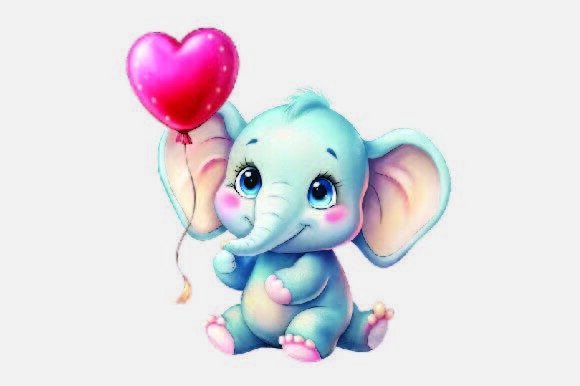
The immediate appeal of an Elephant Christmas PNG lies in its character. Elephants evoke a sense of gentle strength and memory, which pairs surprisingly well with the warmth of the holiday season. Unlike typical Santa or reindeer motifs that can feel cluttered or overly aggressive in color, an elephant design often offers a softer, more nostalgic aesthetic. This makes it particularly effective for nursery decor, baby gifts, and items intended for children who might find traditional holiday imagery too intense.
From a layout perspective, the illustration likely relies on clean lines and distinct shapes. For an embroiderer, this is crucial. A design that feels "busy" on a screen often translates to a tangled mess of thread on fabric. If the illustrations within the PNG are balanced—perhaps featuring an elephant wearing a scarf, holding a ornament, or standing amidst simple pine branches—it suggests a design that respects negative space. This balance allows the stitch density to breathe, preventing the final product from becoming stiff or heavy.
Real-World Application: Where It Fits Best
I recently considered using a similar festive animal motif for a custom order of personalized aprons for a client’s bakery. The client wanted something cheerful but not cliché. An Elephant Christmas PNG would have been a strong contender here. The rounded shapes of an elephant translate beautifully to applique design techniques or even dense fill stitch areas where soft curves are needed.
However, the versatility of this asset extends far beyond kitchen textiles. Here is how I see it performing in various commercial and personal projects:
- Custom Apparel and Sweatshirts: For sweatshirt embroidery, a medium-sized elephant graphic works well on the chest or back. The design likely has enough visual weight to stand out against thick cotton fleece without getting lost. It adds a touch of whimsy that appeals to both adults and children.
- Baby Items and Nursery Decor: This is perhaps the strongest use case. Soft pastels combined with a gentle elephant theme create a timeless look for baby embroidery. Think onesies, bibs, and crib sheets. The design’s likely simplicity ensures it remains age-appropriate and soothing.
- Tote Bag Design: A large-scale print of the tote bag design elements can serve as a striking focal point. When embroidered on canvas, the texture of the fabric complements the illustrative style, giving the handmade product a premium feel.
- Holiday Gifts and Personalized Products: Whether it is a monogrammed pillow cover or a keychain patch, the personalized gift market loves unique themes. An elephant breaks away from the standard red-and-green overload, offering a fresh alternative for holiday embroidery enthusiasts.
Technical Considerations and Potential Pitfalls
While the concept is sound, we must address the technical realities of digitizing or using this digital embroidery file. Not every PNG converts seamlessly into a stitchable format, and even if you have the vector source, placement matters immensely.
One area where designers often stumble is with small details. If the Elephant Christmas PNG includes tiny text, intricate background patterns, or very fine whiskers and tusks, these elements may disappear during the stitching process. Satin stitch requires a certain width to lay flat; if a line is too thin, the machine will either skip it or create a weak, breakable thread path. I always advise testing such designs by converting them to black and white mockups first. This helps identify which parts of the illustration will lose definition.
Furthermore, consider the fabric substrate. Embroidering on textured fabrics like bouclé wool or stretchy knits can distort delicate outlines. If you plan to use this for caps or hats, be mindful of the curved surface. A complex design might warp around the crown of the hat, making the elephant look distorted. In these cases, a simpler, more graphic approach is safer.
Another critical factor is thread colors. If the original illustration relies on subtle shading or gradients, you need to ensure you have enough thread options to replicate that depth. Flat colors work best for machine embroidery unless you are skilled in advanced blending techniques. Always check the contrast between the thread and the fabric texture before committing to a production run.
Stabilizer and Hoop Size
The success of any embroidery project depends heavily on support. For a design like this, which likely features a central figure with some surrounding elements, a cut-away stabilizer is often recommended to prevent shifting, especially on garments that will be washed frequently. Ensure your hoop size accommodates the entire design plus a margin for hooping errors. Trying to squeeze a large festive graphic into a tight hoop can lead to registration issues, where the different parts of the design do not align perfectly.
Impact on Brand and Customer Trust
For Etsy sellers and small shop product creators, the quality of your design directly impacts customer trust. A sloppy execution of a cute theme can make a brand look amateurish. Conversely, a clean, well-executed Elephant Christmas PNG elevates the perceived value of the item. Customers are willing to pay more for items that look professionally finished. The uniqueness of the subject matter also aids in brand consistency; if you build a niche around unique animal holidays, this asset becomes a cornerstone of your catalog.
Moreover, the giftability of the item increases when the design feels thoughtful rather than generic. A buyer scrolling through design assets for their own business will recognize the potential for engagement. It sparks conversation. "Oh, look at that little elephant!" is a reaction that drives sales.
Practical Designer Notes for Implementation
Before you upload this file to your machine or license it for resale, follow these practical steps to ensure a smooth workflow:
- Test on Scrap Fabric: Never go straight to the final garment. Stitch the design on a scrap piece of the same fabric type to check for puckering or tension issues.
- Review Stitch Density: Zoom in on the digitized version (if available) or the test stitch-out. Are the fill stitches too close together? This can cause the fabric to pucker. Are there any unnecessary jumps? Trim them properly.
- Check Licensing: This is non-negotiable. Confirm whether the Elephant Christmas PNG allows for commercial use on physical goods. Some illustrations are for personal use only. If you are selling commercial embroidery products, you need clear rights.
- Inspect Small Details: Look closely at the corners and edges. Are they sharp? Blurry? A blurry PNG will result in fuzzy stitches. You may need to trace over it in vector software to clean up the paths before digitizing.
- Compare Backgrounds: Test the design on both light and dark fabrics. Sometimes a design that pops on white gets lost on navy blue, even if the thread colors seem sufficient on paper.
In conclusion, the Elephant Christmas PNG presents a charming and versatile option for designers looking to add a touch of whimsy to their holiday collections. Its gentle aesthetic suits a wide range of applications, from custom apparel to delicate baby embroidery. However, success lies in the preparation. By carefully considering stitch density, fabric choice, and licensing, you can transform this simple illustration into a high-value finished product that delights customers and strengthens your brand. Treat it with the respect due to a professional design asset, and it will serve your craft business well.